

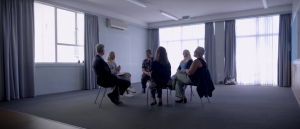
 Restorative practice is a voluntary process that brings people together following a harm event. Skilled facilitators create a safe and supportive environment where everyone affected can speak openly about to create an understanding of the impact and clarify responsibility for the actions required for healing and learning.
Restorative responses are principles based and use specific practices or tikanga to create a safe and supportive environment to explore health care harm. Ideally, everyone affected comes together to safely and respectfully share their different perspectives to build mutual understanding and trust.
Healing from harm
Learning from harm programme: Restorative responses workbook
This workbook introduces restorative responses in the context of harm (adverse) events. A restorative response is a relational approach that focusses on addressing harm, meeting needs, restoring trust, preventing repetition and promoting repair.
Restorative practice video
Pou hihiri, Pou o te aroha | Healing and learning from harm features consumers, clinicians and researchers talking about the benefits of following a restorative approach after a harm event occurs in health care.
Watch the restorative practice video
Restorative practice micro-credentials
These micro-credential courses, developed with Te Ngāpara Centre for Restorative Practice, explore the theory, values, and principles of restorative practices within the health system context and a Te Tiriti o Waitangi framework. They also consider how restorative practice and hohou te rongo (peace-making from a Māori world view) might be applied in your own health setting .
He maungarongo ki ngā iwi: Envisioning a restorative health system in Aotearoa New Zealand
The National Collaborative for Restorative Initiatives in Health was formed in 2020 to guide the development of restorative initiatives within the health and disability sector. Their framework supports the health and disability sector to mitigate and respond to health care harm.
Published: 20 Jun 2023
Modified: 26 Jan 2026
