

The path of making things right Te ara whakatika
Trauma services, community rehabilitation and kaupapa Māori providers are taking part in a quality improvement project focused on strengthening post-acute rehabilitation and support for patients (tūroro) with major trauma.
About the project
‘The path of making things right: Te ara whakatika’ is a quality improvement project from the Trauma National Clinical Network, a partnership between Health New Zealand | Te Whatu Ora, ACC and Health Quality & Safety Commission Te Tāhū Hauora.
The project aims to make sure all patients (tūroro) with major trauma receive the support they need after leaving hospital. It focuses on those who have the greatest unmet health need based on data and lived experience, most notably Māori.
Tohu for te ara whakatika
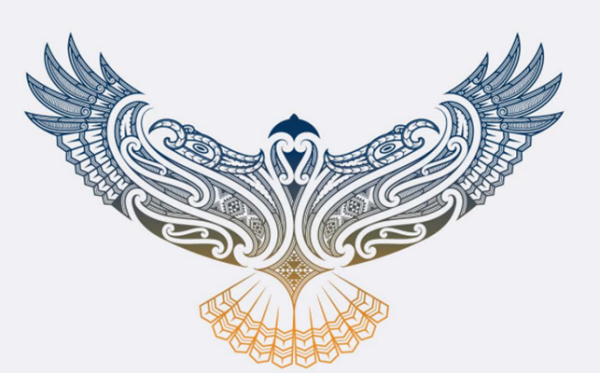
This tohu has been developed for our rehabilitation projects to represent the experiences of kiritaki and whānau as they navigate their journey following major trauma. It integrates the voice of lived experience through its design, reflecting these stories.
Read more about the development of the tohu and the meaning behind its elements (DOCX 1MB)
Why this matters
Data shows that Māori under 65—especially young men, and those involved in transport-related incidents—experience higher rates of major trauma. While Māori models of health (hauora) are proven to support recovery, they are not widely used.
After severe brain injury, more than half of Māori and Pacific peoples miss out on specialist rehabilitation, compared to 28% of Europeans/others, due to systemic system barriers rather than personal choice. These gaps create significant unmet health needs and impact long-term recovery.
Strengthening follow-up care that incorporates mātauranga Māori and community-based support offers a powerful opportunity to improve outcomes, uphold independence (mana motuhake), and support whānau wellbeing.
This project combines this evidence with lived experiences to ensure the needs of patients (tūroro), family (whānau) and communities are reflected.
Who is taking part
There are 8 local project teams of inpatient trauma and community rehabilitation provider services taking part.
The project brings together clinical, cultural, consumer and rehabilitation expertise to co-design (mahitahi), test and embed meaningful changes.
While the project is inclusive of all trauma patients, it will focus on improving access and outcomes for those with greater unmet health need – particularly Māori. This approach ensures care that restores health (hauora), family (whānau) wellbeing, and independence (mana motuhake).
Improvements to care quality and access are in scope, but changes to ACC’s internal processes are not. The project focuses on service delivery within existing frameworks, guided by collaboration and co-design with stakeholders.
Lived experience
People with lived experience of the trauma services in New Zealand, as patients or as whānau, are the foundation of this project.
If you have experienced trauma, such as brain, chest or spinal cord injuries, multiple limb fractures and amputations, you can express interest in being part of this national project.
For more information see our Consumer Opportunities page
Contact
If you have any questions about the project please email help@majortrauma.nz
