



Popular pages Whārangi rorotu
About us Mō mātou
The Health Quality & Safety Commission Te Tāhū Hauora is a Crown Agent that monitors quality and safety across the health system.
We work with other government agencies, health providers, professional bodies and consumers to improve safety and quality.
Our goal is quality health for all New Zealanders.
We provide insights, expert advice, data and intelligence.
We strengthen patient feedback systems, build sector capability to learn from harm, support clinical governance and review mortality to reduce avoidable deaths.
Through our work we reduce the number of people harmed, save lives, and generate financial savings in the health sector.

What's new Kaupapa hou
First public release of adult primary care patient experience survey results by PHO
Selected results from the adult primary care patient experience survey will be publicly available at primary health organisation (PHO) level for the first time through the online patient experience explorer.

New eLearning supporting safer use of anti-seizure medicines in pregnancy: balancing the risks and potential harm
A free new eLearning course supports midwives and other health professionals in the safe use of anti-seizure medicines for people who may become pregnant, helping reduce medicine-related harm and improve care across New Zealand.
New strategy launched to improve quality and safety across New Zealand’s health and disability system
The New Zealand Health and Disability System Safety Strategy provides a shared approach to improving the quality and safety of care. It focuses on improving how the health and disability system works, with patients and whānau at the centre.
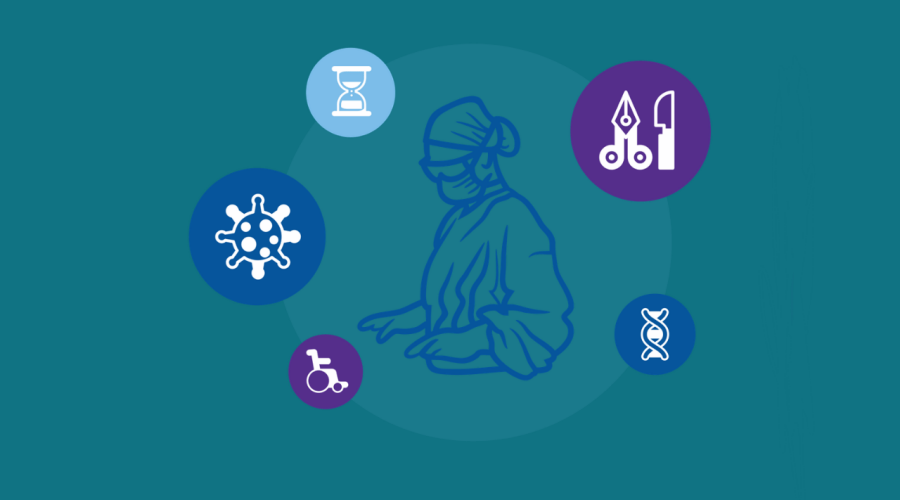
New report on surgery and risk in New Zealand released
Report presenting updated national data on surgery and associated risk in New Zealand, to support informed conversations between clinicians, patients and whānau.
Disability data gaps leave health inequities hidden, new report finds
New report exposes major gaps in NZ health data, leaving disabled people’s needs invisible. Linked data reveals systemic barriers, poorer outcomes, and urgent need for better data to drive equitable care improvements.